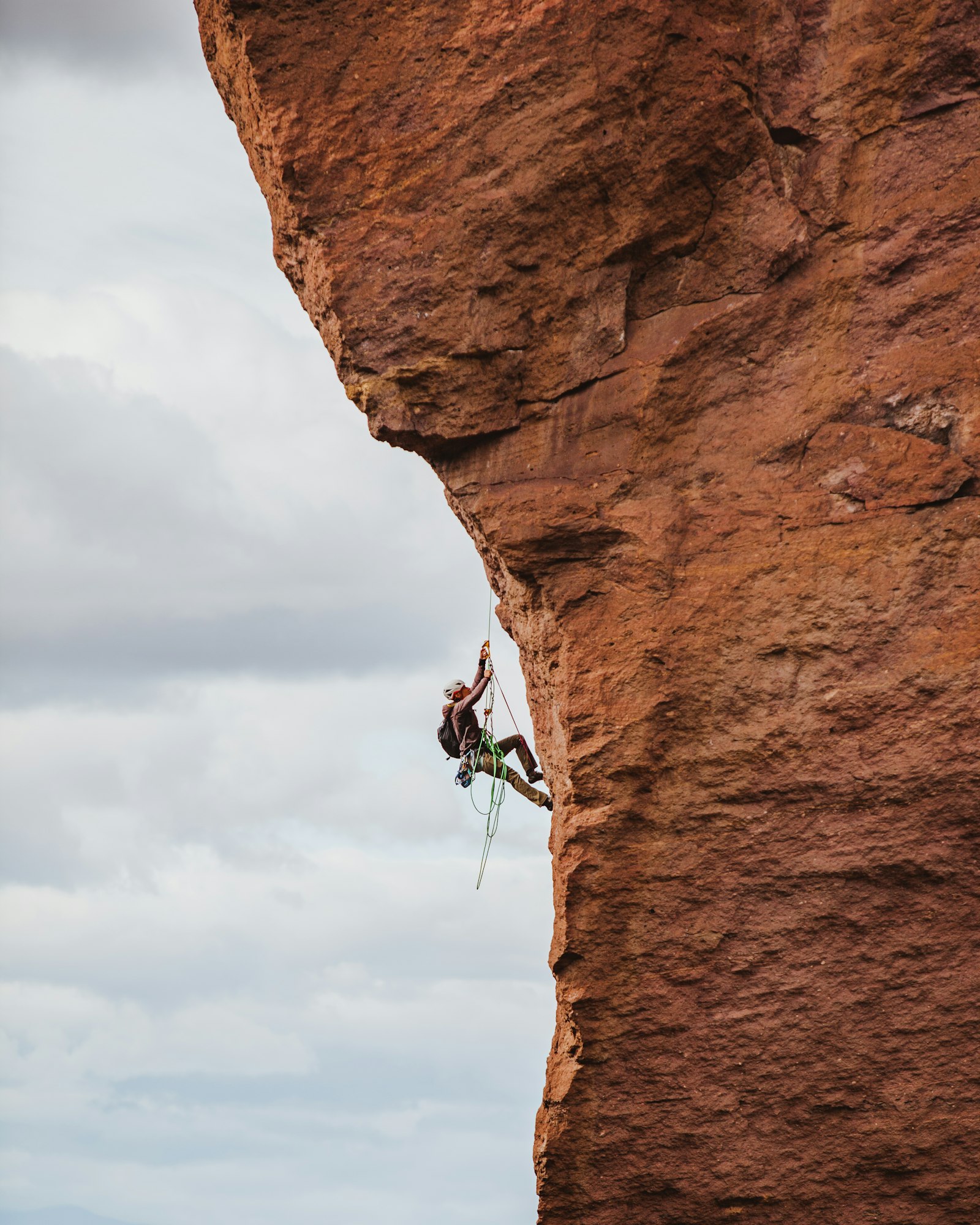
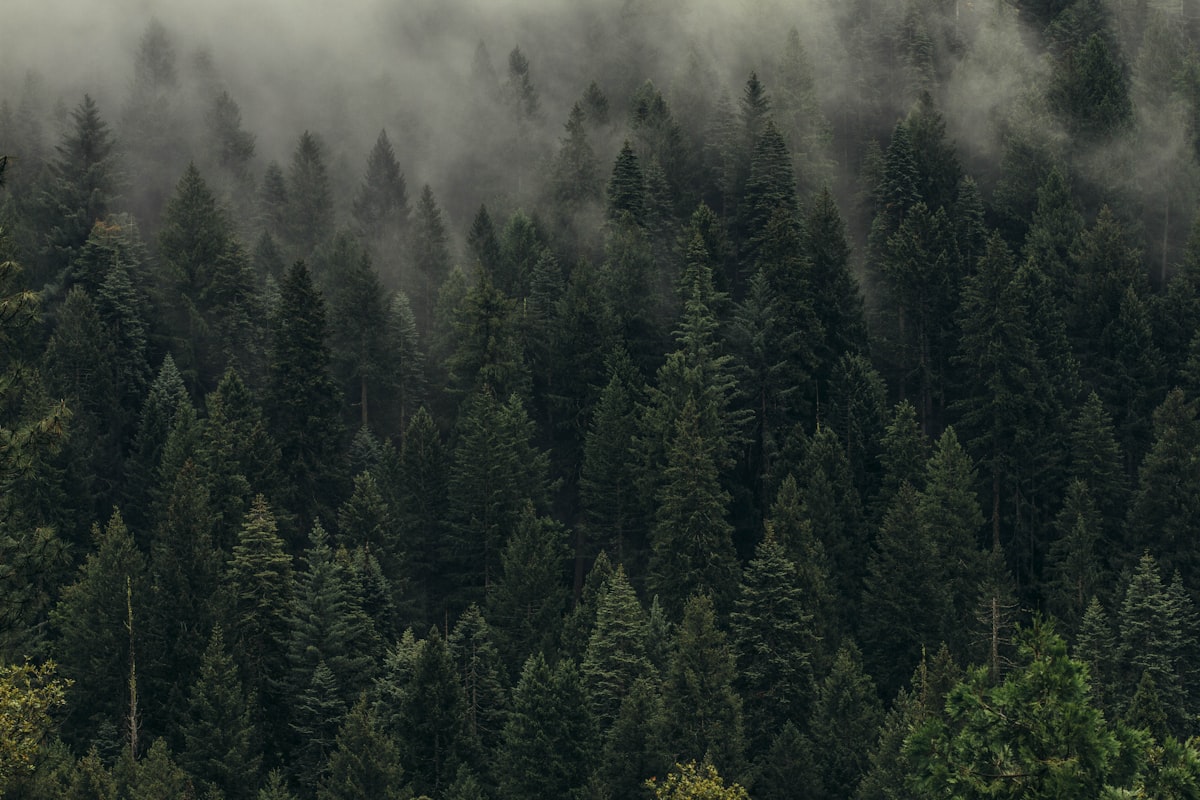
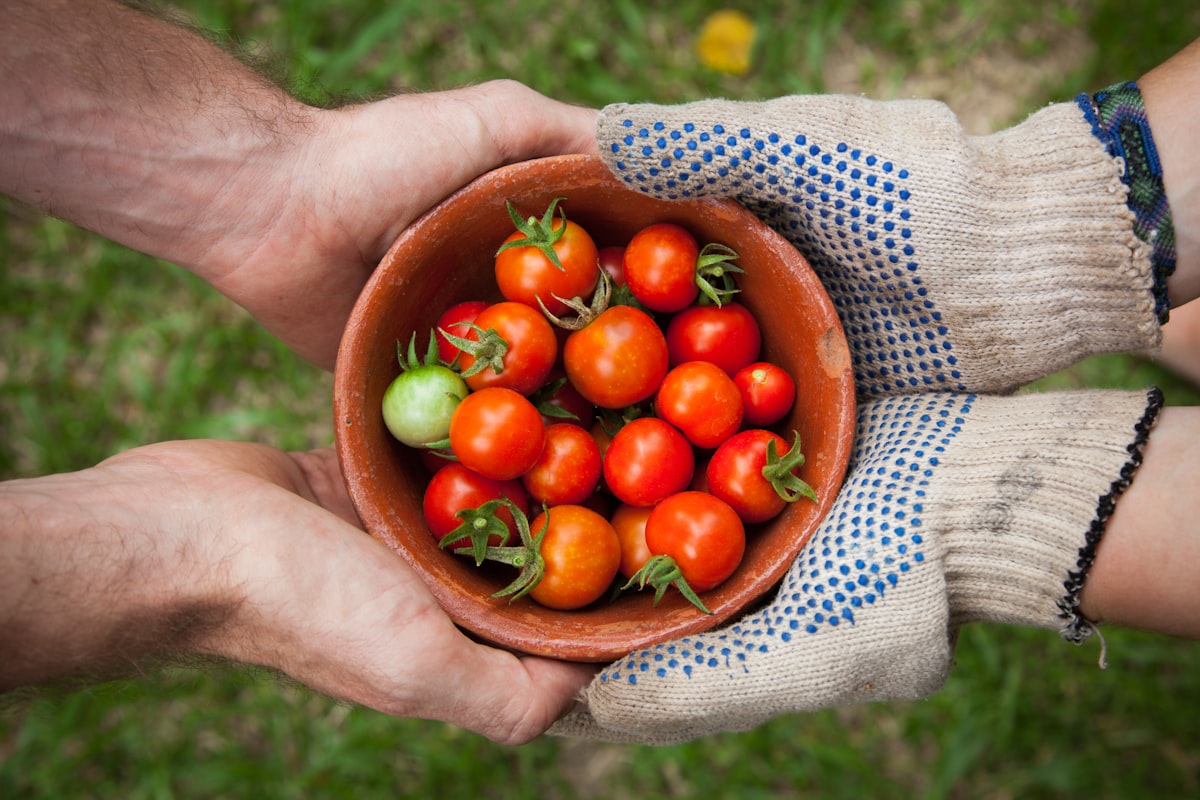
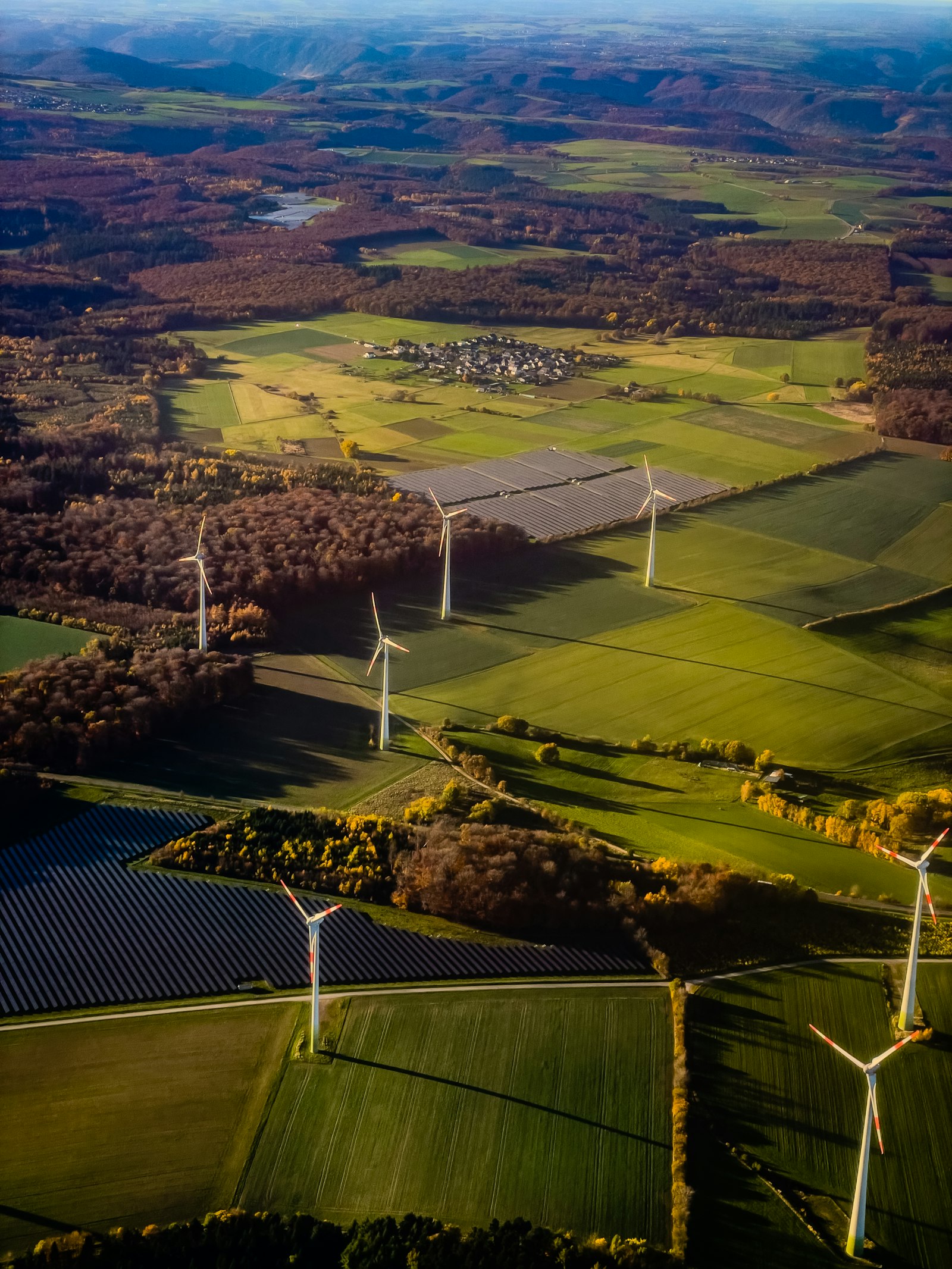
The places we live, physical and cultural, shape us.
Why it matters
The rooms you wake in, the stories you live inside, the planet you share. All of it shapes you.
Todd Rose's research at Populace finds most people making life decisions based on a public consensus that no one privately believes. Americans privately want more meaning, less status competition, deeper relationships, and slower lives. They assume their neighbors want the opposite. So they organize their lives around the assumption. Rose calls these collective illusions. People work jobs they would not have chosen, buy things they did not want, and orient lives around a status they do not actually value, all because they think everyone else does.
The illusion does not arise on its own. Tim Kasser's decades of research on materialism find that advertising and consumer messaging reliably shift what people say they want. The shift moves them away from what actually predicts well-being. The cultural environment is not neutral; much of it is shaped by the people paid to shape it. What you take as "what people want" is, in measurable part, what people have been paid to want. A consumer-oriented culture relies on that confusion to keep working.
The pattern extends across both layers we live inside. Richard Louv coined "nature-deficit disorder" in 2005, not as a diagnosis but as a label for the cognitive and emotional cost of indoor lives, especially in children. The research has stacked: time outdoors, real sunlight, contact with non-human life is a baseline condition for human well-being. The physical environment is not separate from the cultural one. Both shape us. Both are wellness variables.
The physical layer breaks down further. Rhythm and seasons are wellness variables in the same family as sleep and circadian health. Modern life flattens them with constant artificial light and indoor schedules. Our bodies were tuned for a year of four kinds of light and four kinds of weather, and most of us no longer get those signals. Biophilic design, the deliberate inclusion of natural light, materials, and life forms in the spaces where most adults spend their time, has clinical and architectural research behind it. Built without it, those spaces pay a measurable cost in mood, attention, and recovery. The environment is also unevenly distributed. The same forces that shape culture shape which neighborhoods bear the toxin load, which workers breathe the worst air, which children grow up next to highways. Environmental justice is a wellness issue at the zip-code scale, not only the planetary one.
The empirical case on the cultural side has accumulated. Jonathan Haidt has documented the smartphone era's collision with adolescent mental health. Robert Putnam mapped the erosion of community across late-twentieth-century America. A growing body of work links social-media patterns to depression, anxiety, body image, and sleep. The narratives surrounding you, about what a life is supposed to look like, what counts as success, who belongs, shape decisions.
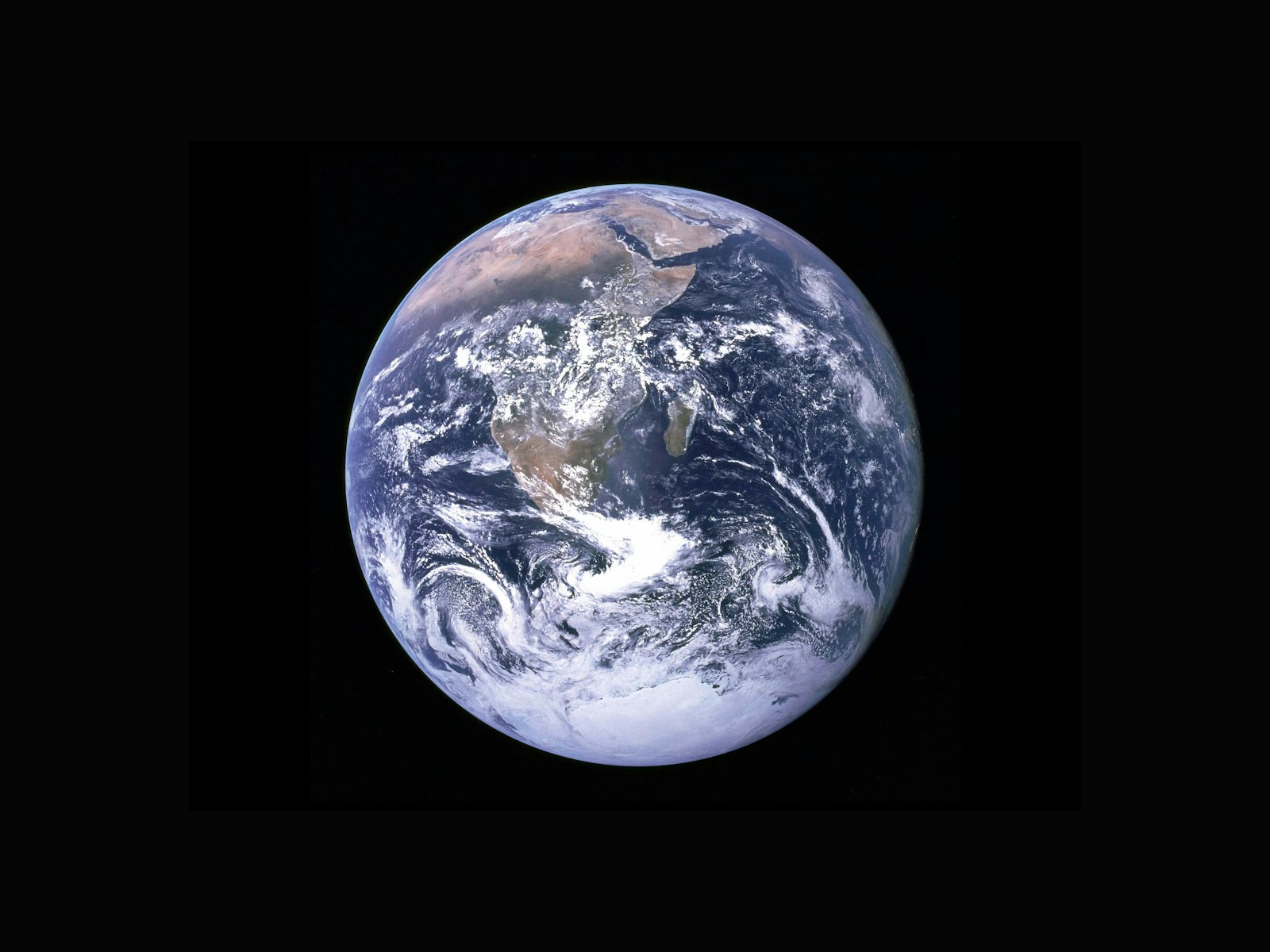
At the planetary scale, the Lancet-Rockefeller Commission on Planetary Health (2015) named what ecologists have long said: human health is inseparable from the health of natural systems. The ecosystem-services literature (Robert Costanza, Gretchen Daily's Natural Capital Project) has been working that dependency into language policy can use. Individual wellness rests on functioning watersheds, pollinators, and climate systems most people never think about. Home air, the materials you live with, the nearby ground you walk on are the inner ring of a larger nested system, the small scale at which one person can reasonably act.
Environmental wellness operates at three scales: the cultural narratives we live inside, the physical rooms we wake up in, and the planet we share. The practices below scale accordingly. Some change in a weekend, some take years, some require collective action that one reader can join but not finish.
Concepts
Ecological belonging
The felt sense of being part of the natural world, not apart from it. Kimmerer, Wilson's biophilia hypothesis, and growing research on time-in-nature all point to relationship with the non-human world as a baseline condition of human well-being. The inverse is what Richard Louv named nature-deficit: the documented cognitive and emotional cost of reduced direct contact with the outdoors, especially for children. Most people used to take this relationship for granted; it now requires active rebuilding.
Cultural environment
The narratives, norms, values, and digital infrastructures you inhabit. The information environment you spend hours in shapes mood, attention, worldview, and what you end up taking as "normal" or worth wanting. Haidt's work on smartphones and youth mental health made this visible; the broader point holds for adults. Todd Rose's research adds a sharper dimension: people don't only absorb cultural narratives, they make life decisions based on a public consensus that no one privately believes. The cultural environment is part exposure, part mistaken consensus, and for most modern people one of the most under-appreciated environmental-health variables in their life.
Collective inner condition
The shared environment, social, cultural, and ecological, is not weather. It is built and rebuilt out of collective thought: the assumptions, attention, and stories a society runs on, mostly without noticing. Otto Scharmer, from decades of systems work at MIT, calls the unexamined place we act from the blind spot, and argues that the conditions a system produces depend on the interior condition of the people inside it. A culture running on hurry, scarcity, and half-listening builds an environment with those qualities in it. The hopeful half of the claim: because the environment is made of thought, it can move. Treat this as a working lens, not a measured mechanism.
Rhythm and seasons
Living bodies are tuned to cycles: daily light and dark, seasonal swings in light and temperature, longer rhythms of weather and dormancy. Modern environments flatten most of them. Year-round indoor temperature, blue-spectrum LED light at all hours, food disconnected from season, screens that override sunlight, all collapse the cyclical inputs human physiology evolved with. Recovering rhythm matters: morning bright light anchors sleep and mood, seasonal eating tracks something the gut microbiome notices, winter darkness deserves more honoring than the modern calendar allows it. Time is an environmental input, not a backdrop.
Environmental justice
Environmental hazards are not equally distributed. Air pollution near industrial corridors, wildfire smoke for outdoor workers, lead pipes in older infrastructure, food deserts, climate vulnerability in low-income coastal and warming regions, all track economic and racial inequity in ways the public-health literature has measured for decades. Robert Bullard's foundational work named environmental racism; the field has built out from there. Individual environmental wellness sits inside a larger system where some communities pay for the health gains of others. Naming this is part of taking environmental wellness seriously.
Biophilic design
Built environments that incorporate natural elements: light, plants, wood, water, views of nature. Measurable effects on stress, cognition, recovery, and even post-surgical healing rates. The spaces you spend the most time in (home, work) shape your nervous system whether you notice or not.
Toxin and exposure load
Specific, measurable exposures across air, water, and materials. Airborne particulates and VOCs from cooking, off-gassing furniture, and mold; endocrine disruptors in plastics, household fragrance, and certain pesticides; PFAS in water and packaging. Most people spend 90%+ of their time indoors, and the exposures concentrate there. The reasonable move is not chasing every headline; it is cutting the biggest sources (heated plastic, household fragrance, unventilated cooking, unfiltered tap water in vulnerable areas) and ventilating the rooms you spend the most time in. Air, water, materials, and the simple act of opening a window are the practical handles.
Planetary health and ecosystem services
Human well-being depends on functioning natural systems that most people never notice, the pollinators behind roughly 75% of food crops, the wetlands that filter water, the forests and oceans that regulate climate, the soil microbes behind nutrient cycling. The term "ecosystem services" (Millennium Ecosystem Assessment, Costanza) names these benefits; "planetary health" (Lancet-Rockefeller Commission, 2015) names the consequences of their decline for human health. Individual health and planetary health are not separable; one runs through the other. Knowledge of these systems, and care for them, is a wellness variable at planetary scale.
Practices
Practice
Thirty minutes outside, in real sunlight, every day
Daylight + circadian
Ideally in the morning. Circadian rhythm, cardiovascular health, mood, mental health, all downstream of this. Walk without earbuds. Look at the sky.
Practice
A weekly time in wild-ish nature
Forest-bathing literature
Forest, coast, desert, river, park larger than a block. Ninety minutes is the inflection point in the shinrin-yoku research. Put it on the calendar like any other appointment.
Practice
Audit your information diet
Attention as resource
The people and publications you spend the most time with shape what you think is normal, what you want, and what you value. Write down the five accounts, publications, or voices you give most of your attention to in a week. Ask whether these are the people whose worldview you want to be shaped by.
Practice
Open your windows once a day
Indoor air turnover
Fifteen minutes with cross-ventilation, ideally in the morning. Free. Effective. Indoor air can be measurably more polluted than the air outside; the easiest fix is the oldest one.
Practice
One digital fast per week
Cultural-environment hygiene
Twelve hours, phone off. The cultural-environment version of opening the windows. From 8 p.m. Saturday to 8 a.m. Sunday is the easiest weekly entry point.
Practice
Audit one room of your home for toxin load
EWG · personal environment
Kitchen cleaning products, bathroom personal-care products, or the bedroom mattress and bedding. You don't have to overhaul; you have to notice. Pick one shelf, read the labels.
Practice
Know your watershed
Ecological literacy · Kimmerer tradition
Find and name the watershed you live in, the source of your drinking water, and the nearest protected natural area. Small, concrete facts about the system that actually keeps you alive. Fifteen minutes with a map.
Indigenous ecological knowledge integrated with Western botany; a foundational voice on humans living in reciprocal relationship with the natural world.
Book
The Practice of Biophilic Design
Terrapin Bright Green
The framework-level document on biophilic design.
2002
Kasser, T.
The High Price of Materialism (MIT Press, 2002) and follow-ups
Decades of work showing that advertising and consumer messaging shift what people say they want toward extrinsic goals (income, status, image) that reliably correlate with worse wellbeing.
2022
Rose, T.
Collective Illusions (Hachette, 2022) and the Populace Success Index
Survey research: Americans privately want meaning and deeper relationships, but assume their neighbors want income and status, and orient their lives to that imagined consensus rather than the real one.
Lancet-Rockefeller Foundation Commission on Planetary Health
The landmark report framing human health as inseparable from the health of natural systems, and warning that continued ecosystem degradation will undermine a century of public-health gains.
2024
Haidt, J.
The Anxious Generation (2024)
The most rigorous current synthesis of the relationship between smartphones, social media, and adolescent mental-health decline.
The original hypothesis that humans have an evolved affinity for natural forms and systems.
1990
Bullard, R.
Dumping in Dixie (1990) and follow-up environmental-justice scholarship
The foundational empirical case that environmental hazards track race and class in the United States. Named environmental racism and established environmental justice as a field.
Measurable effects of forest immersion on cortisol, blood pressure, and natural-killer cell activity.
1997
Costanza, R.
Nature, The value of the world's ecosystem services
Foundational work estimating the economic value of the benefits humans derive from functioning ecosystems. The numbers are debated; the framework is now the standard vocabulary in ecology, economics, and policy.
Applied ecosystem-services science that turns abstract concepts (pollination, flood control, water purification) into valuations and decision tools used by governments and conservation organizations around the world.