The body is the ground everything else stands on. Movement, sleep, and nourishment taken seriously, without turning the body into a project.
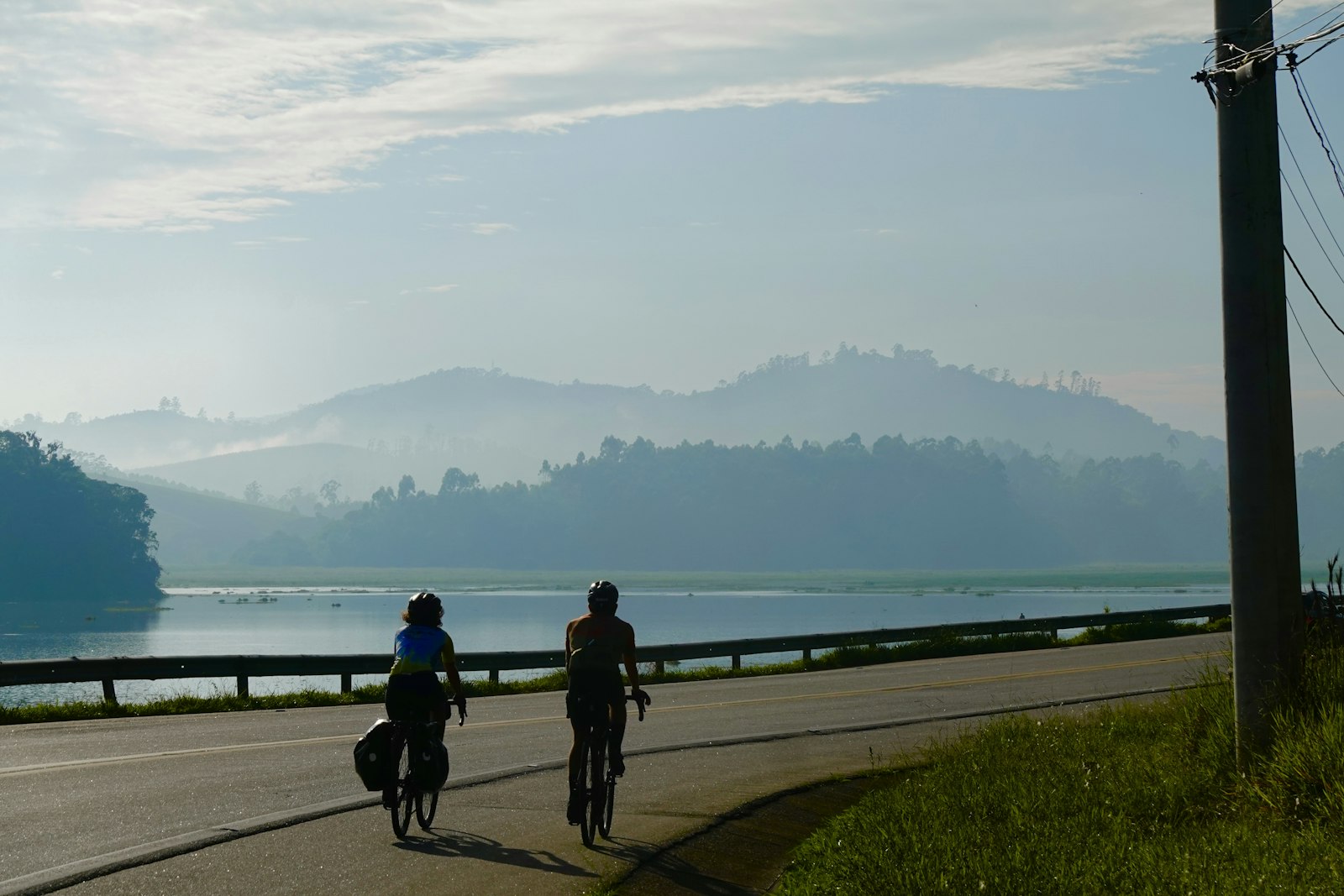
The body is built to move, and things go wrong when it doesn't. Daniel Lieberman, a Harvard evolutionary biologist, spent a career on a deceptively simple question: what is the human body actually for? His answer, drawn from endurance-running and from societies like the Hadza and Tarahumara, is that we never evolved to 'exercise' per se, we evolved to move. With all the benefits of modern living, one problem is that moving became optional. No need to hunt or gather berries when food can be delivered at the push of a button, and no cutting firewood when you have a thermostat for climate control. The clinical evidence backs it up: a 2023 BMJ meta-analysis of over 200 trials found regular exercise at least as effective as medication for depression and anxiety, and often more durable over time. It remains an under-prescribed first-line treatment in modern care. Aerobic capacity is also one of the strongest predictors we have of long-term survival, and physical strength in midlife predicts independence later in life. Physical health begins in motion.
Four physical conditions sit upstream of much else: movement, sleep, food, and breath. Research keeps validating their importance. Sleep is the quiet one of the four, and among the most powerful things a person can do for how they think, feel, and heal. Matthew Walker, the Berkeley sleep researcher, has spent a career measuring what sleep gives back, and also what its absence costs. In Why We Sleep, Walker plots surgical residents' error rates against hours of sleep, and the curve bends sharply upward, less sleep, more errors. The encouraging half is that the curve runs both ways. Sleep lost is sleep that can be rebuilt.
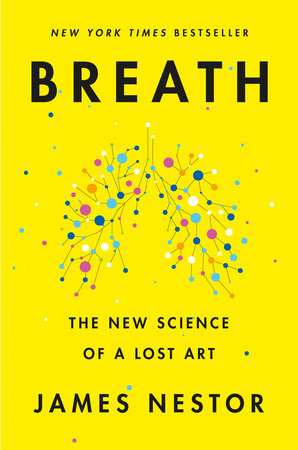
Breath is the easiest of the four to underestimate. The slow work of nervous-system regulation, getting the body out of chronic activation, has clinical research behind it. Stephen Porges's polyvagal framework gave clinicians language for what mind-body practitioners had long observed, a small library of techniques most people can learn in an afternoon. Short bursts of stress are normal. Staying chronically activated is what wears the body down.
Food sits alongside sleep and movement, and the research is less contested than the cultural conversation suggests. Liquid sugar and ultra-processed foods reliably drive the metabolic, inflammatory, and mood outcomes most people are trying to avoid. Cutting them is a simpler, more durable move than most supplement routines, and a whole-food pattern like the Mediterranean diet has decades of evidence behind it.
Medicine and technology are also shifting how we think about physical wellness. A generation of pharma-adjacent options (GLP-1 receptor agonists for weight and metabolic health, testosterone replacement for men in midlife, modern statins, continuous glucose monitors) is changing what 'taking care of the body' looks like. These deserve careful evaluation; some genuinely useful, others early-stage. We'll cover them as the research matures.
Physical wellness is a cornerstone of well-being, intimately connected with the other six dimensions: the ground beneath everything else, not the point of everything else. Movement, sleep, food, recovery: well-supported by research, modifiable. A late dinner with friends, a child's bedtime stretched out, a project you stayed up to finish, these can be worth the trade. The vitality numbers do not always know what a life is for.
Concepts
Aerobic capacity and metabolic flexibility
The ability to use oxygen and fuel efficiently over time is one of the strongest predictors of long-term mortality and healthspan, and it's trainable at any age. Zone 2 work, conversational pace for 30 to 60+ minutes, builds the mitochondrial base; short, harder intervals raise the ceiling. Together, roughly 80/20. Also one of the strongest evidence-based interventions for depression and anxiety (Singh et al., BMJ 2023).
Sleep architecture
Your nightly sleep cycles, deep sleep, REM, their timing, shape memory, hormone production, emotional regulation, and tissue repair as much as total hours do. Most adults need 7 to 9 hours for the architecture to complete; chronic short sleep compresses the later REM cycles where emotional processing happens. Consistent bed and wake times, a cool dark room, and reducing alcohol and late food are the simplest places to start.
Muscle as an organ
Skeletal muscle isn't just for movement, it regulates blood sugar, hormones, and metabolic health. Muscle lost in midlife accelerates aging; muscle retained predicts independence in old age. Two strength sessions a week, adequate protein, and gradual progression are the core practices.
Nervous-system regulation
How your autonomic nervous system is running, stress response, heart-rate variability, breath, determines how quickly you recover, how well you sleep, and how much you can tolerate before feeling burned out. Breathwork, time outdoors, slower-paced movement, and real social connection all downshift the system.
Inflammation and recovery
Chronic low-grade inflammation ("inflammaging") is the silent driver behind most age-related disease: cardiovascular, metabolic, cognitive, and mood. It's modifiable and measurable. Sleep quality, regular movement, whole-food nutrition, and stress regulation are the primary conditions underneath it; recovery is where the repair happens, and under-recovery compounds the load.
Added sugar and metabolic stress
Liquid sugar and ultra-processed foods drive metabolic dysfunction, inflammation, and mood swings independent of total calories. Controlled NIH ward studies show ultra-processed diets cause people to spontaneously overeat ~500 kcal/day. Cutting sweetened beverages is usually the single most-returning dietary move.
Practices
Practice
One walk a day, outside, in natural light
Daylight + movement
Twenty to forty minutes outside, ideally before the phone turns on. Sunlight anchors circadian rhythm; morning movement is as well-supported as SSRIs for depression (Singh, BMJ 2023). The highest yield-per-effort move in this hub.
Practice
Consistent sleep and wake times
Circadian foundation
Not perfect, consistent. Bed within a sixty-minute window, wake within a sixty-minute window, weekends included. Sleep regularity predicts mortality more reliably than total sleep duration.
Practice
Two strength sessions a week using bodyweight
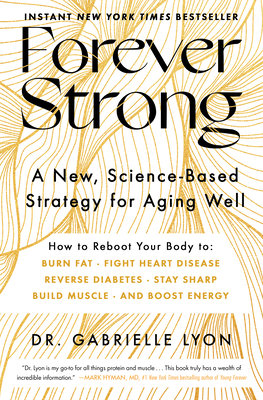
Lyon · muscle-centric medicine
Push-ups, squats, rows against furniture, carries. Ten minutes, twice a week, same two days. Muscle held in midlife predicts independence in old age (Lyon); muscle lost accelerates aging.
Practice
One zone-2 cardio session per week
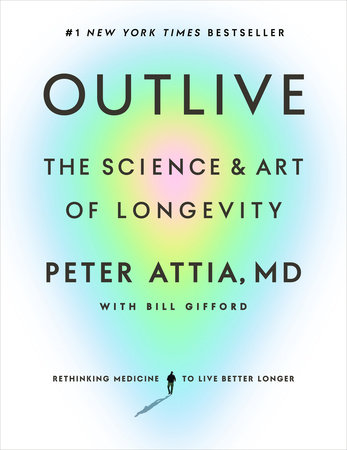
Attia · Outlive
Forty-five minutes at a pace where you can still hold a conversation. Brisk walking uphill counts; nothing has to be intense to count. Aerobic capacity is one of the strongest predictors of long-term mortality and healthspan.
Practice
Cut liquid sugar first
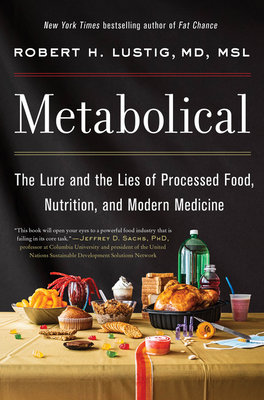
Lustig · sugar as toxin
Sodas, sweetened coffees, and energy drinks deliver calories that don't register as food. The single most-returning dietary move. Swap them for water, sparkling water, or unsweetened coffee.
Practice
Finish eating three hours before sleep
Metabolic hygiene
A consistent eating cutoff supports sleep quality and overnight metabolic recovery. The discipline is about timing, not denial. Pick a cutoff time, not a cutoff food.
Practice
Build meals around whole foods
Hall · NIH / Estruch · PREDIMED
Build the plate from foods that don't need a label: protein, vegetables, whole grains, fruit. NIH ward studies show ultra-processed diets drive ~500 extra kcal a day on matched macronutrients (Hall, 2019); a Mediterranean pattern cut major cardiovascular events by roughly thirty percent in PREDIMED. Pattern matters more than any single food.
Practice
Two minutes of slow breathing a day
Huberman · physiological sigh / Nestor · Breath
Two minutes is the dose. Long exhales through the nose downshift the nervous system; the physiological sigh (double inhale, long exhale) is the fastest evidence-based way to drop arousal in the moment. Train the tone before stress hits, not during.
Muscle-centric medicine (clinical work, multiple peer contributions)
Skeletal muscle as a central metabolic organ, with practical implications for protein intake and resistance training across the lifespan.
2023
Attia, P.
Harmony, Outlive
A practicing physician's synthesis of the four 'horsemen', cardiovascular, cancer, neurodegenerative, metabolic, and the interventions that shift lifetime outcomes.
2023
Singh, B. et al.
BMJ, 218-trial meta-analysis of exercise for depression
Meta-analysis of 218 randomized trials found physical exercise at least as effective as psychotherapy and pharmacotherapy for depression. The strongest argument for movement as a first-line mental-health treatment.
2012
Lustig, R., Schmidt, L. & Brindis, C.
Nature, The Toxic Truth About Sugar
The commentary that put added sugar on the public-health map alongside alcohol and tobacco. The debate has not gotten simpler since.
2017
Walker, M.
Scribner, Why We Sleep
The accessible synthesis of the last two decades of sleep research. Sleep is not negotiable; chronic restriction erodes nearly every physiological system.
Study
Tinetti, M.
Yale, Functional movement and fall-prevention research
Landmark work establishing that simple, sustained functional strength and balance training reduces fall-related morbidity in older adults.
NIH, Cell Metabolism, Ultra-processed diets and calorie intake
Two-week inpatient study where ultra-processed menus drove ~500 extra kcal/day on matched macronutrients. First causal evidence that UPFs drive overeating, not just correlate with it.
Randomized trial of a Mediterranean diet versus low-fat control in high-risk adults; the Mediterranean arms cut major cardiovascular events by roughly 30%. Strong RCT evidence for a whole dietary pattern.