The Brain on a Decade-Long Mystery: What Finding Satoshi Reveals About the Psychology of the Hunt
A new documentary spent four years embedded with the researchers who have been chasing Bitcoin's creator since 2011. What they reveal on camera about obsession, dopamine, and the loop of unresolvable mystery is the most honest piece of mental-health journalism the crypto world has ever produced.
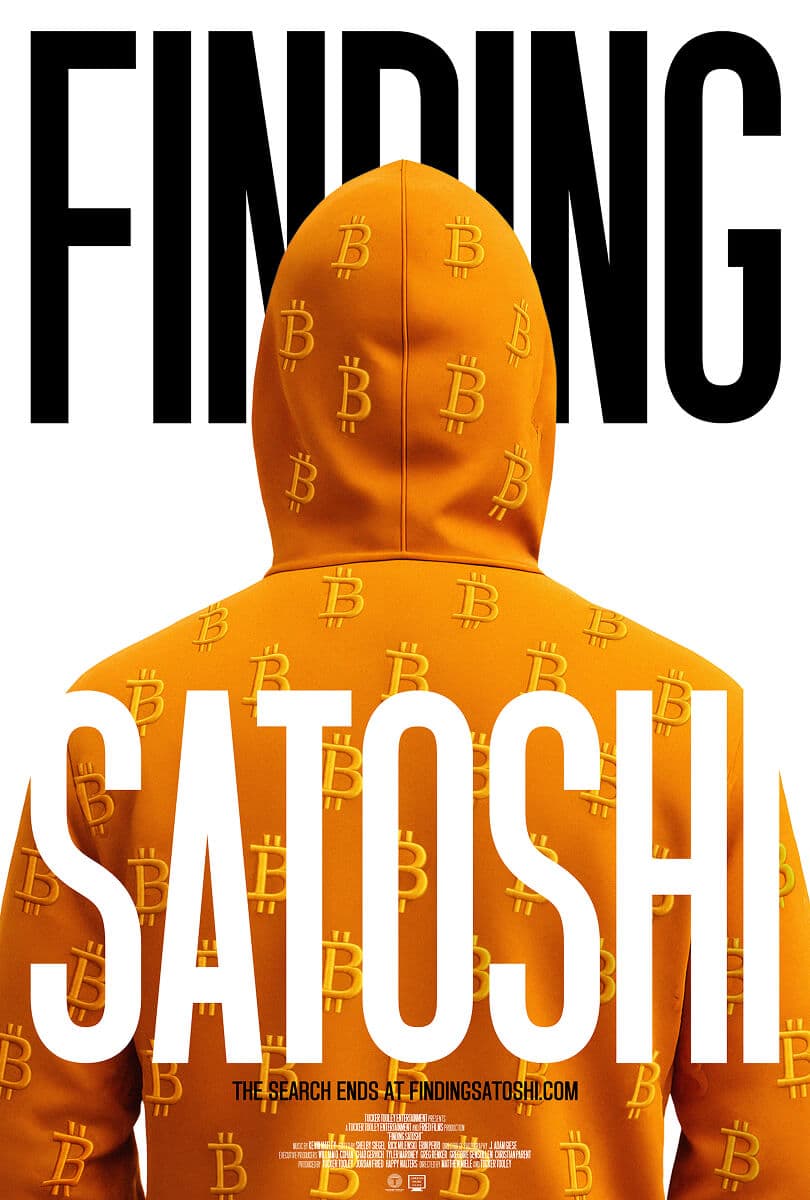
A feature documentary about Bitcoin’s founder arrived this month. The twist: the real subject is not who created Bitcoin. The real subject is what the hunt has done to the people who have spent more than a decade chasing the answer.
The film includes on-camera interviews with Bill Gates, Michael Saylor, Joseph Lubin, Fred Ehrsam, and twenty-plus early Bitcoin developers. The roster alone is a differentiator. But the center of gravity of the film is not the pioneers. It is the investigators who have spent eleven-plus years looking, and the filmmakers who spent four years watching them look. The result is the most candid piece of obsession psychology put on film in recent memory, on any subject.
This is the angle Soul Syndicate is here for. The mental-health dimension of chasing what may never arrive. The neurochemistry of a decade committed to a question that does not close. The question of what pattern-seeking does to a mind when there is no pattern to find, and what it does to a mind when there is.
Available this month at findingsatoshi.com
The investigators become the subject
The first half of the film is the detective story. The forensic tools. The on-chain analysis. The timestamp reconstruction. Then, forty-some minutes in, the camera turns around. The investigators, some of whom have been inside this mystery since 2011, become the subject. The filmmakers sit down with them and ask what it does to a person to spend eleven years chasing a conclusion that may never arrive.
The most striking line in the film comes from a researcher who has been looking for more than a decade. On camera, he says he is no longer sure he wants to find the answer. He is sure he wants to keep looking. He delivers the line flatly, without irony, and the moment it lands the film reorients. You realize you are no longer watching a whodunit. You are watching a character study of what a decade of almost-finding does to the cognition of a person who committed to the search.
This is the section that separates Finding Satoshi from every other piece of media on the subject. The pioneers are witnesses. The evidence is context. The subject is the human mind under the specific weight of a mystery that refuses to close.
By the Numbers
Researcher obsession, captured on camera
Primary sources and crypto pioneers interviewed
Filmmaker embed with the investigators themselves
What the brain does inside an unresolvable mystery
The mechanics of the obsession loop, as the researchers describe them on camera, are not exotic. They are the same mechanics every cognitive neuroscientist and every person who has ever fallen down a research rabbit hole already knows. Every clue is a dopamine hit. Every near-miss is a reinforcement event. Every dead end feels like information because the brain is very good at compressing absence into pattern. Put a person in that loop for a decade and the loop starts running the person.
Watching the researchers describe this on camera is the closest thing we have seen to an honest conversation about what pattern-seeking actually costs. They are not performing humility. They are not hedging. They are describing a cognitive pattern they recognize in themselves and cannot turn off. One of them notes, without drama, that the only thing more disorienting than never finding Satoshi would be finding Satoshi. The structure of the hunt has become the meaning. The answer would be an interruption.
This is the kind of thing Soul Syndicate covers because Soul Syndicate is interested in what happens to a mind under specific durable pressure. Contemplative traditions call it attachment to an unresolved question. Behavioral neuroscience calls it intermittent reinforcement. Clinicians call it rumination when it goes wrong. The researchers in Finding Satoshi are inside all three frames at once, and the film does not flinch from any of them.
“The hunt has become the meaning. That is the quiet horror at the center of this film, and also the reason it works.”
The filmmakers fall into the same loop
The meta-turn is what makes the film hold together. After four years filming the researchers, the directors admit on camera that they are now inside the same obsession loop as the subjects they came to document. The footage of them making that admission is the most generous thing any piece of crypto journalism has ever offered its audience, because it is the filmmakers giving up the pretense of clinical distance and acknowledging that the thing they were studying changed them while they were studying it.
The implication is uncomfortable and correct. Long-duration attention to a specific mystery is not passive. It rewires. The researchers chose this and accepted what it would cost them. The filmmakers did not choose it and got caught anyway. If a four-year embed is enough to move a film crew into the obsession loop, a viewer who is honest with themselves about what they were doing for the last ninety-two minutes will sit with that math for a while.
This is not a bug of the form. It is the form working. A film about what a decade-long mystery does to the mind would fail if the filmmakers came out of it unchanged. That they did not is the cleanest evidence possible that the phenomenon they are documenting is real.
Full 92-minute documentary, available this month at findingsatoshi.com
Why this is mental-health journalism, not finance journalism
Every other Bitcoin documentary is a finance film. Price charts. Adoption curves. Institutional flows. Bloomberg terminals. Finding Satoshi is a documentary about what it does to a person to chase an unresolvable mystery for a decade. That is not a finance story. That is a cognition story, a neuroscience story, a meaning-making story. That is why Soul Syndicate is covering it and not writing a piece about Bitcoin.
We cover the conditions that reshape the human mind, and the honest reporting about what those conditions feel like from inside. Psilocybin-assisted therapy is one. Long-term meditation practice is another. Grief is one. Chronic attention to an unresolvable question turns out to be another, and it is the one this film is about.
The crypto framing is the doorway. Walk through it for the film, and what you find inside is a careful and unflinching piece of obsession psychology that happens to be wearing a Bitcoin costume.
How to watch
Finding Satoshi runs ninety-two minutes and is available now at findingsatoshi.com. Clear the runtime. Watch it with the knowledge that you are not about to learn who made Bitcoin. You are about to watch a film about what an eleven-year hunt for an answer does to the mind of the person still hunting, and about the quieter question underneath: whether the mind was the point all along.
Official site: findingsatoshi.com
Frequently Asked
What makes this a Soul Syndicate story?+
Is this a finance film or a psychology film?+
What do the researchers say on camera about what the hunt has cost them?+
Who else is in the documentary?+
Where can I watch it?+
Related reads
Affiliate disclosure. Soul Syndicate is reader-supported. Some links in this article are affiliate links, when you click through and make a purchase, we may earn a small commission at no additional cost to you. We are not paid to write content, and affiliate relationships never influence our editorial perspective. Nothing in this article is financial, investment, tax, or legal advice. Digital asset investments can lose value, including their entire value.
Nothing in this article identifies, or implies the identification of, any specific individual as Satoshi Nakamoto. Soul Syndicate takes no position on the identity of the Bitcoin creator. Descriptions of cognitive and behavioral phenomena are editorial observation and do not constitute medical, psychiatric, or mental-health advice. If you are struggling with rumination, obsessive thought patterns, or related mental-health concerns, talk to a qualified clinician.
© 2026 Soul Syndicate. All rights reserved.