
Article·Mental & Emotional
Before You Book a Medicine Retreat
Soul Syndicate Editorial
Psilocybin, ayahuasca, and ketamine compared: what the research shows, where they are legal, who they are not for, and why integration is the part that lasts.
Articles, guides, and the underlying research, organized by dimension.
Soul Syndicate Editorial
Psilocybin, ayahuasca, and ketamine compared: what the research shows, where they are legal, who they are not for, and why integration is the part that lasts.

Soul Syndicate Editorial
Lifespan gets the headlines, but how freely you move through an ordinary day may matter more. The case for movement quality, and the tools rebuilding it.

Soul Syndicate Editorial
Where is the line between mental illness and spiritual experience? A tour through history, anthropology, and the honest state of the evidence.

Soul Syndicate Editorial
Telling ordinary distress from a disorder, what the numbers say, and how to match what you do to where you actually are.

Soul Syndicate Editorial
Regular movement is one of the most powerful and most underused treatments we have for anxiety and depression. The benefits do not stop there.

Soul Syndicate Editorial
Wellbeing has an outside. The conditions around us shape it, and because those conditions are made of collective thought, they can change.

Otto Scharmer · Noema
Scharmer on the larger civilizational shift this work sits inside. A guest read from Noema Magazine.

Soul Syndicate Editorial
Why the apps stopped working, what came after them, and what the loneliness numbers actually say about how people find each other now.

Soul Syndicate Editorial
Most people don't have a calling. Most do have a job that's slowly eating them. How to tell the difference, and what to do about it.

Soul Syndicate Editorial
Heat, cold, and the nervous system in between. What alternating between extremes does to the body, and why the practice is older than the equipment it now uses.

Soul Syndicate Editorial
Awe, scale, and the small self. Why the same brain that runs your day can also dissolve into a starfield, and what that does for you.
Soul Syndicate Editorial
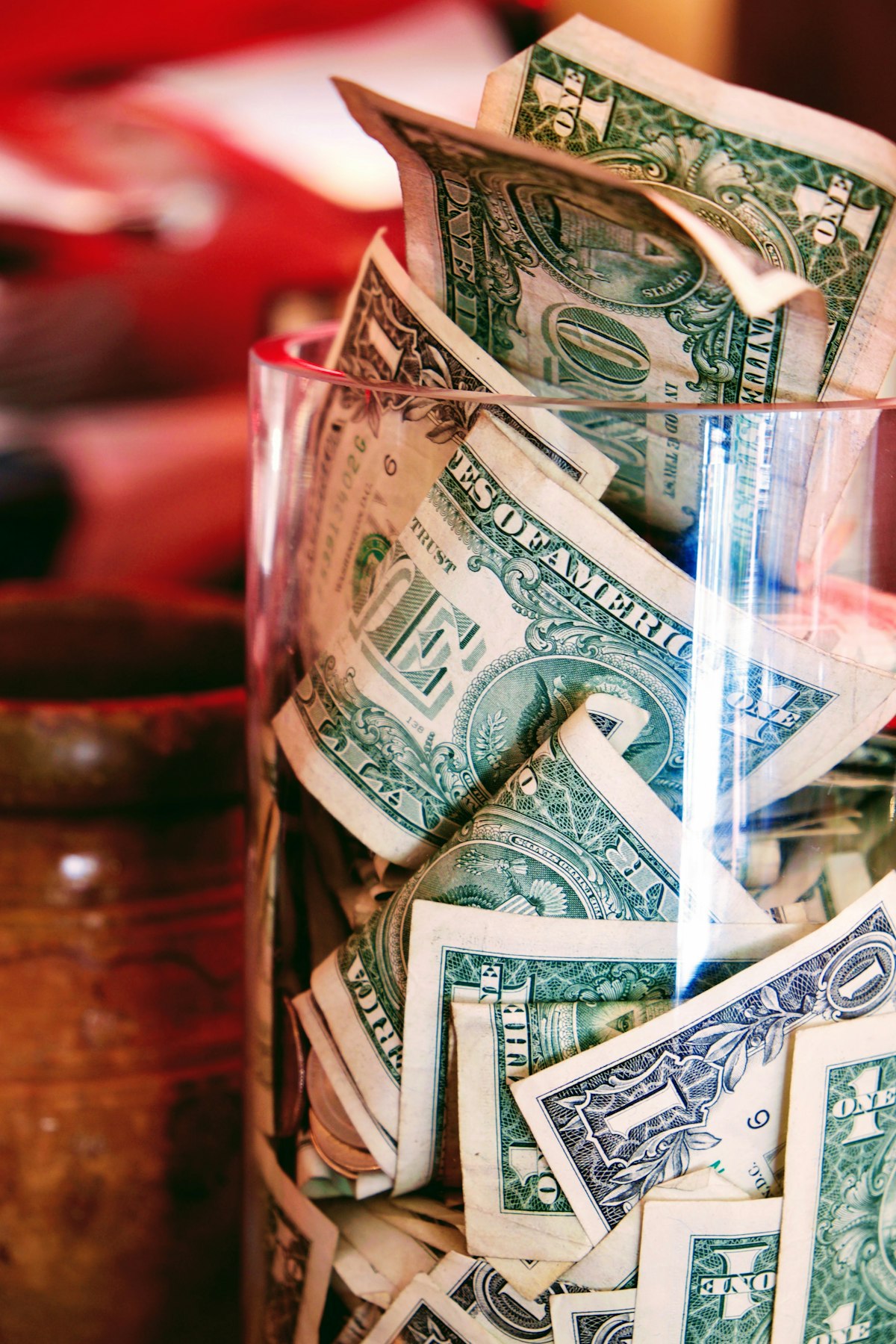
What it actually costs to save in a currency you don't control. How the dollar, your savings rate, and your financial peace are connected, and what an honest baseline looks like.

Soul Syndicate Editorial
What mindfulness was before it became a stress-reduction product. The contemplative roots, the path into the clinic, and what was lost along the way.

Soul Syndicate Editorial
Kimmerer's line, taken as an operating principle. How it changes the way we think about wellness, work, and place.

Soul Syndicate Editorial
Three words that get conflated everywhere. We separate them so the rest of the conversation has solid footing.

Soul Syndicate Editorial
What the research actually says, and what doesn't make it into the doctor's office.

10 deep dives across SSRIs, benzos, stimulants, hypnotics, antipsychotics
Lexapro, Xanax, Zoloft, Adderall, Abilify, Ambien, Prozac, Ativan, Seroquel, Wellbutrin. Evidence-based alternatives across the most-prescribed psychiatric medications.

Editorial picks across price, depth, and approach
From Canyon Ranch to smaller operators. Who each one is for, what it costs, and the honest tradeoffs between depth and price.

Editorial picks: psilocybin, ayahuasca, ketamine
Vetted operators compared by safety, legal standing, track record, and integration. From MycoMeditations to supervised ketamine clinics.

Six services compared on match, access, and cost
BetterHelp to Open Path Collective. How six online therapy services compare on therapist matching, format, cost, and insurance.

Six programs compared on coaching, design, and cost
Peloton to Alo Moves. How six online fitness programs compare on coaching, program design, range, equipment, and cost.

Five home sauna and cold-plunge setups, weighed honestly
AlumiTubs to a DIY galvanized stock tank. Five home sauna and cold-plunge setups compared on heat, cold, build, cost, and footprint.

Four ways to tend how you move, before anything breaks
The Ready State, GOWOD, Hinge Health, and Myodetox. How four prehab services compare on assessment, hands-on care, human guidance, continuity, and cost. The companion to The Missing Pillar of Longevity.

State-licensed operators across the only two legal markets
Oregon's Measure 109 framework and Colorado's natural medicine program. Who is operating, what each program looks like in practice, and how they differ.

Clinical evidence across depression, end-of-life anxiety, addiction
A curated read of the strongest psilocybin research. The NEJM head-to-head, the Hopkins mystical-experience work, end-of-life trials, alcohol and tobacco RCTs. Educational; Soul Syndicate does not recommend or facilitate illegal use.

Gibala, Little, MacDonald, Hawley
Short, high-intensity interval work produces aerobic adaptations comparable to much longer endurance training. Foundational to the modern exercise-snack literature.
The Journal of Physiology · 2012 · doi.org/10.1113/jphysiol.2011.224725

Mori et al.
Double-blind placebo-controlled trial. Twelve weeks of Hericium erinaceus supplementation produced measurable improvement on cognitive scales in older adults with mild cognitive impairment.
Phytotherapy Research · 2009 · pubmed.ncbi.nlm.nih.gov/18844328

Goyal, Singh, Sibinga, et al.
Meta-analysis of 47 RCTs. Moderate evidence that mindfulness meditation programs reduce anxiety, depression, and pain. The baseline benchmark for the field.
JAMA Internal Medicine · 2014 · doi.org/10.1001/jamainternmed.2013.13018
Raichle et al.
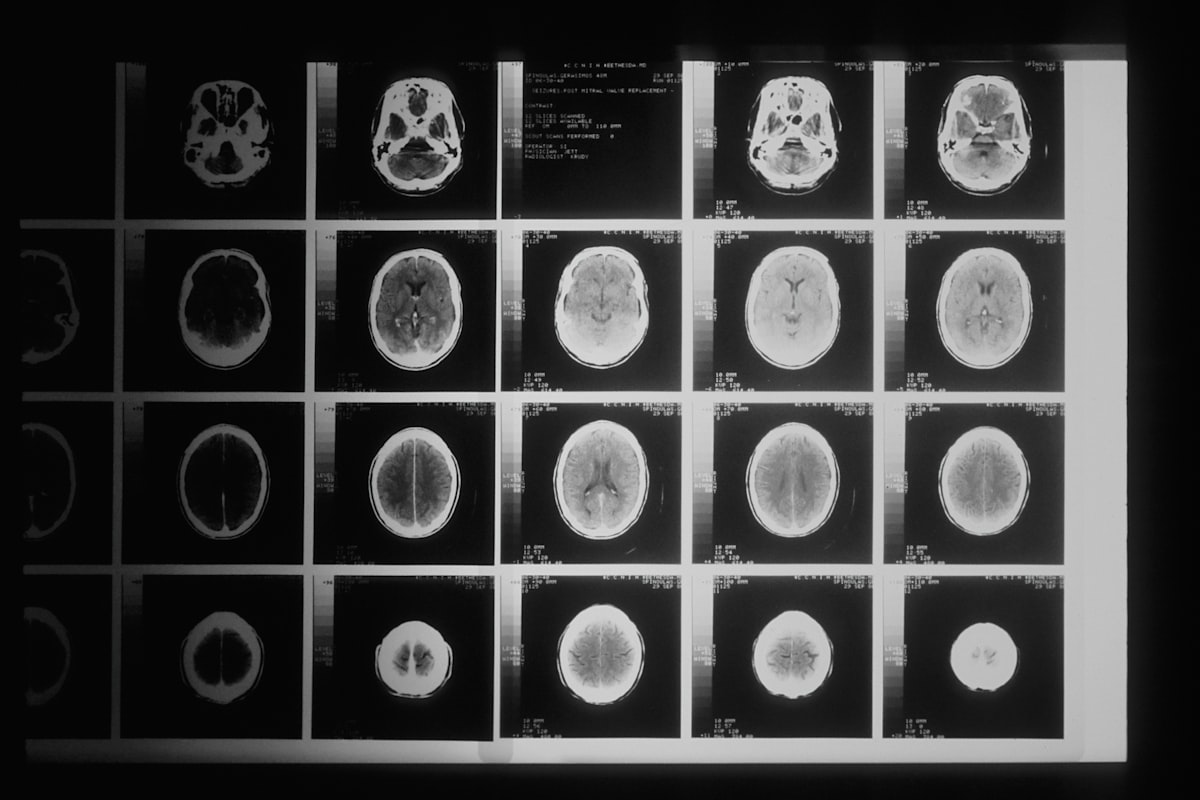
The PNAS paper that named the default mode network. The foundation for most subsequent neuroscience of self-referential thought, mind-wandering, and ego dissolution.
PNAS · 2001

Zaccaro et al.
Slow breathing patterns shift autonomic balance toward parasympathetic dominance, increase HRV, and produce measurable mood and attention effects. The cleanest synthesis of the breathwork literature.
Frontiers in Human Neuroscience · 2018 · doi.org/10.3389/fnhum.2018.00353

van der Kolk et al.
Randomized controlled trial of trauma-sensitive yoga in women with chronic, treatment-resistant PTSD. The yoga group showed significantly greater symptom reduction than the control condition.
Journal of Clinical Psychiatry · 2014 · pubmed.ncbi.nlm.nih.gov/25004196

Piff, Dietze, Feinberg, Stancato, Keltner
Five experiments. Inducing awe reduces self-focus and increases ethical and helping behavior. A mechanistic bridge between self-transcendent experience and everyday conduct.
Journal of Personality and Social Psychology · 2015 · doi.org/10.1037/pspi0000018

Cahn & Polich
Comprehensive review of the electrophysiological and neuroimaging literature on meditation. The reference point for understanding what concentration and open-monitoring practices do to brain dynamics.
Psychological Bulletin · 2006

Cahn & Polich
EEG study of long-term Vipassana practitioners. Distinct attentional ERP signatures, including altered P3a responses to distractor stimuli, that persist outside formal practice.
Neuropsychologia · 2009 · pubmed.ncbi.nlm.nih.gov/19135988

Holt-Lunstad, Smith, Layton
Meta-analysis of 148 studies, ~308,000 participants. Stronger social relationships reduce mortality risk by roughly 50 percent. The headline finding that reframed loneliness as a public-health issue.
PLOS Medicine · 2010 · doi.org/10.1371/journal.pmed.1000316

Ulrich
Matched-pair observational study. Patients with a window view of trees had shorter hospital stays and used fewer analgesics than those facing a brick wall. The foundational biophilic-design citation.
Science · 1984 · doi.org/10.1126/science.6143402

Kahneman & Tversky
The founding paper of behavioral economics. Loss aversion and framing effects as the real shape of human decision-making under uncertainty, not the rational one classical economics had assumed.
Econometrica · 1979 · doi.org/10.2307/1914185

Dunn, Aknin, Norton
Three studies (survey, longitudinal, and experimental). How money is spent, especially on others, affects reported happiness more than how much is earned.
Science · 2008 · doi.org/10.1126/science.1150952
Killingsworth, Kahneman, Mellers
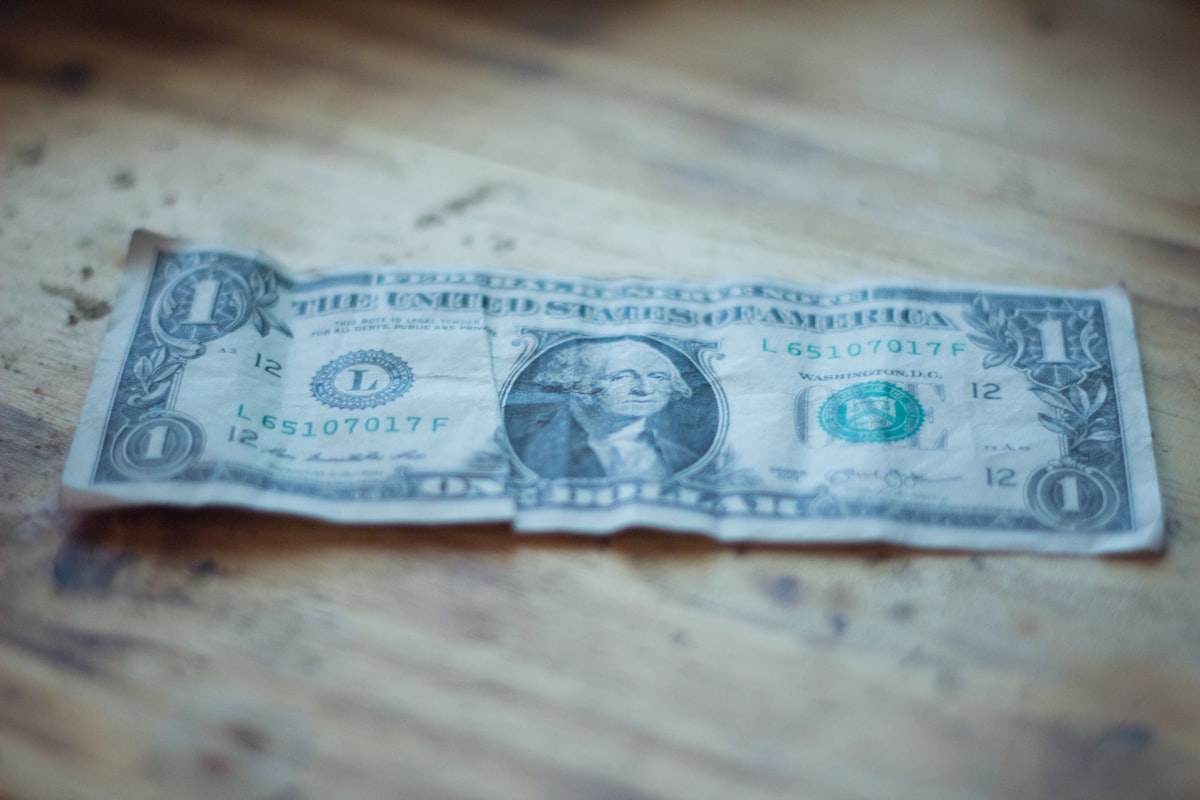
Resolves the longstanding question of whether money buys happiness. For most people, well-being rises with income roughly in step. For those experiencing persistent unhappiness, the curve plateaus.
PNAS · 2023 · doi.org/10.1073/pnas.2208661120